As more everyday spending moves online, a growing number of banks and financial apps now offer virtual credit cards — a digital-first alternative to the physical card sitting in your wallet. They’re designed specifically to address the security risks of entering the same card number across dozens of websites, subscriptions, and apps.
This guide explains exactly what a virtual credit card is, how it actually works behind the scenes, the different types available, and how to use one effectively to protect your finances online.
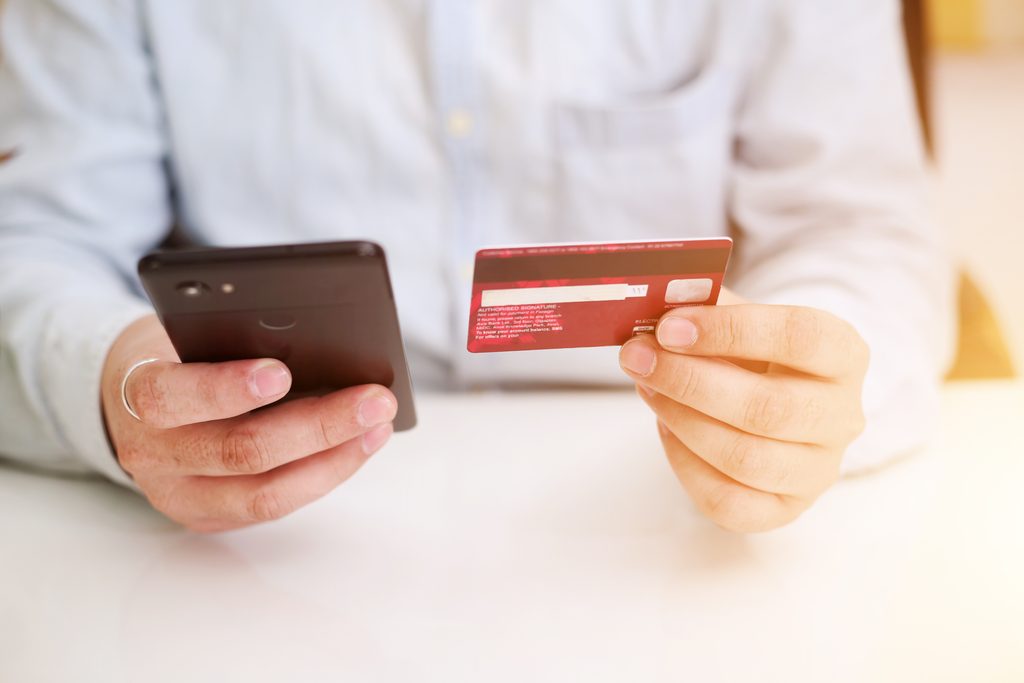
What Is a Virtual Credit Card?
A virtual credit card is a digitally generated card number, usually linked to your existing credit card account or issued as a standalone product, that can be used for online, phone, or app-based purchases without exposing your actual physical card number. It typically comes with its own card number, expiration date, and security code, functioning exactly like a normal credit card number would at checkout, but existing only in digital form.
Some virtual cards are generated instantly through your bank’s app or website and tied directly to your existing credit line, while others are offered as a separate feature by fintech companies, often with additional controls like spending limits or merchant restrictions built in.
How Virtual Credit Cards Actually Work
Generation
When you request a virtual card, either through your card issuer’s app, website, or browser extension, the system generates a new, unique card number instantly. This number is distinct from your physical card’s number, even though it may draw from the same underlying credit line and credit limit.
Linking to Your Account
Behind the scenes, the virtual card number is linked to your actual credit account, meaning purchases made with it are billed to the same statement and count toward the same credit limit as your physical card, unless the issuer specifically offers virtual cards as a separate standalone account.
Use at Checkout
You use the virtual card number just like any other card number: entering it into the card number, expiration date, and security code fields during an online checkout process. The merchant processes the transaction exactly as they would with a standard card number, with no visible difference on their end.
Transaction Processing
Once a purchase is made, the transaction routes through the same payment networks as physical card transactions, gets matched back to your actual account, and appears on your statement, sometimes labeled with an alias or description you set when creating the virtual card, making it easier to track which purchase the card was used for.
Key Features Commonly Offered With Virtual Credit Cards
Merchant Locking
Many virtual card systems allow you to lock a specific virtual card number to a single merchant, meaning it can only be used for purchases with that one company. If the number is ever stolen or leaked, it becomes useless anywhere else.
Spending Limits
Some virtual cards let you set a specific spending limit on that number alone, which is particularly useful for subscriptions or recurring charges, since it prevents an unexpected price increase or unauthorized charge from exceeding the amount you’ve explicitly approved.
Single-Use Cards
Certain providers offer single-use virtual card numbers designed to work for exactly one transaction, after which the number automatically becomes invalid. This is especially useful for one-time purchases from unfamiliar or less-trusted websites.
Instant Generation and Deletion
Virtual cards can typically be created and deleted instantly through an app or web portal, giving you immediate control to shut down a specific number the moment you suspect it’s been compromised, without needing to cancel your entire physical card and wait for a replacement.
Custom Expiration Dates
Some services allow you to set a specific expiration date on a virtual card, which is useful for limiting a free trial subscription to a set period, since the card will simply stop working once that date passes, preventing an unwanted renewal charge.
Multiple Cards From One Account
Many virtual card systems let you generate an essentially unlimited number of virtual card numbers from a single underlying account, allowing you to assign a distinct number to each merchant or subscription you use.
Types of Virtual Credit Cards
Bank-Issued Virtual Cards Linked to an Existing Card
Many major card issuers now offer a built-in virtual card feature accessible through their mobile app, generating a virtual number tied directly to your existing credit card account and credit limit.
Standalone Virtual Card Services
Certain fintech companies offer virtual card issuance as a core product, sometimes funded by linking a bank account or existing card, and often including more advanced controls like merchant locking, custom limits, and single-use numbers as standard features.
Business Virtual Cards
Aimed at companies rather than individual consumers, these virtual cards let businesses issue distinct card numbers to different employees, departments, or vendors, each with its own spending limit, making expense tracking and control significantly easier than relying on shared physical cards.
Browser Extension–Generated Cards
Some issuers offer a browser extension that automatically generates a new virtual card number at checkout on supported websites, streamlining the process so you don’t need to manually open an app before every online purchase.
Why Use a Virtual Credit Card?
Reduced Exposure to Data Breaches
Since a virtual card number is distinct from your physical card, a breach at a merchant where you used a virtual number doesn’t expose your actual card number, only the virtual one, which you can typically deactivate instantly without affecting your primary card.
Easier Management of Subscriptions
Assigning a unique virtual card number to each subscription service makes it far easier to track exactly what you’re being charged for and by whom, and simplifies canceling a specific subscription’s billing access without needing to update every other saved payment method tied to your physical card.
Protection Against Unwanted Renewals
Setting a spending limit or expiration date on a virtual card used for a free trial ensures you won’t be charged if you forget to cancel before the trial ends, since the card will simply decline the renewal charge.
Greater Control for Uncertain or One-Time Purchases
For purchases from a website or merchant you’re not entirely confident about, using a single-use or merchant-locked virtual card limits your exposure if something goes wrong, without putting your primary card number at risk.
Simplified Business Expense Tracking
For businesses, issuing distinct virtual cards to different employees or purposes creates a clear paper trail for each expense category, without needing to distribute and manage multiple physical cards.
Limitations of Virtual Credit Cards
Not Usable for In-Person Purchases
Since a virtual card exists only as a digital number, it generally can’t be used for in-store purchases requiring a physical card swipe, tap, or chip insertion, unless it’s loaded into a digital wallet that supports contactless payment.
Dependent on Merchant Acceptance
While most legitimate online merchants accept virtual card numbers exactly like standard ones, a small number of websites or services may have compatibility issues, particularly with unusual billing systems or manual verification processes.
Requires Some Setup and Management
Getting the most value out of virtual cards, particularly with merchant locking or spending limits, requires a bit of active management compared to simply using the same physical card number everywhere, which may not appeal to users who prioritize simplicity over granular control.
Still Tied to Your Underlying Credit Account
Since most virtual cards draw from the same credit limit and are billed to the same statement as your existing account, they don’t provide additional available credit — they’re a security and organizational tool, not a way to access more spending power.
How to Use a Virtual Credit Card Effectively
Assign a Distinct Card to Each Subscription
Rather than using one virtual card number everywhere, consider generating a separate number for each recurring subscription. This makes it easy to identify exactly which service is billing you and to shut off access to a specific subscription without affecting others.
Use Single-Use Cards for Unfamiliar Websites
When making a one-time purchase from a merchant you’re not entirely familiar with, a single-use virtual card number limits your risk, since the number becomes invalid immediately after the transaction completes.
Set Conservative Spending Limits Where Possible
If your virtual card provider allows custom spending limits, setting a limit close to the actual expected charge for a subscription or purchase adds an extra layer of protection against unexpected price increases or unauthorized use.
Regularly Review and Clean Up Unused Virtual Cards
Periodically reviewing your list of active virtual cards and deleting ones tied to canceled subscriptions or services you no longer use keeps your account organized and reduces the number of active card numbers that could potentially be compromised.
Monitor Your Statement as You Would With Any Card
Even though virtual cards add a layer of protection, transactions still post to your underlying account statement, so it’s important to review your statement regularly regardless of how many virtual card numbers you’re using.
Common Misconceptions About Virtual Credit Cards
They provide extra credit beyond your existing limit. Virtual cards typically draw from the same underlying credit line as your physical card, meaning they don’t increase your total available credit.
They can be used anywhere a physical card can. Since they exist only digitally, virtual cards generally can’t be used for in-person transactions unless loaded into a supported digital wallet.
They’re only useful for people worried about fraud. While fraud protection is a major benefit, virtual cards are equally useful for the practical organization of subscriptions, trials, and one-time purchases, even for cardholders who aren’t particularly concerned about security risks.
All virtual cards work the same way. Features vary significantly between issuers and providers — some offer robust controls like merchant locking and single-use numbers, while others simply generate an alternate number with none of the additional customization.
Frequently Asked Questions
Are virtual credit cards safe to use? Generally, yes. Virtual cards are processed through the same secure payment networks as physical cards, and their added ability to lock, limit, or delete a specific number provides an additional layer of protection compared to repeatedly using your actual physical card number online.
Do virtual credit cards affect my credit score? Using a virtual card tied to an existing credit account doesn’t affect your credit score any differently than using the physical card itself, since it draws from the same account and reporting activity. A standalone virtual card product tied to a new account would follow the same credit reporting rules as opening any new credit account.
Can I use a virtual credit card for recurring subscriptions? Yes, and this is one of the most practical uses for virtual cards. Assigning a distinct virtual card number to each subscription makes it easy to track, limit, or cancel that specific billing relationship without affecting your other saved payment methods.
What happens if a merchant charges more than my virtual card’s spending limit? If you’ve set a spending limit on a virtual card and a merchant attempts to charge more than that amount, the transaction is typically declined, which can be a useful safeguard against unexpected price increases, especially for subscription services.
Do virtual credit cards work for in-store purchases? Generally not directly, since they exist only as a digital number without a physical card to present. However, if the virtual card number is loaded into a supported digital wallet, it may be usable for contactless in-store payments, depending on the issuer and wallet’s compatibility.
Final Thoughts
Virtual credit cards offer a practical, security-focused alternative to repeatedly exposing your physical card number across every website, app, and subscription you use. Whether you’re trying to reduce fraud risk, organize recurring subscriptions, or simply protect yourself when making a one-time purchase from an unfamiliar merchant, virtual cards provide a flexible layer of control that a standard physical card number can’t match on its own.
As with any financial tool, the value comes from actually using the available features — locking cards to specific merchants, setting spending limits, and reviewing your active virtual cards periodically — rather than simply generating one number and using it everywhere, which offers little added benefit over your original physical card.
This article is for informational purposes only and does not constitute financial advice. Always review the specific terms, features, and fees of any credit card or virtual card service directly with the issuer before use.