Paying a credit card might seem as simple as sending money before the due date, but the specific way you pay, how much, and when, can significantly affect both how much interest you pay and how your credit score responds. Many people default to paying the minimum amount listed on their statement without realizing this is often the most expensive way to manage a balance, or they pay on the due date without understanding how the timing interacts with their statement closing date.
This guide walks through what “correct” credit card payment actually looks like, the different payment strategies available, and how to avoid common mistakes that can cost you money or unnecessarily affect your credit score.
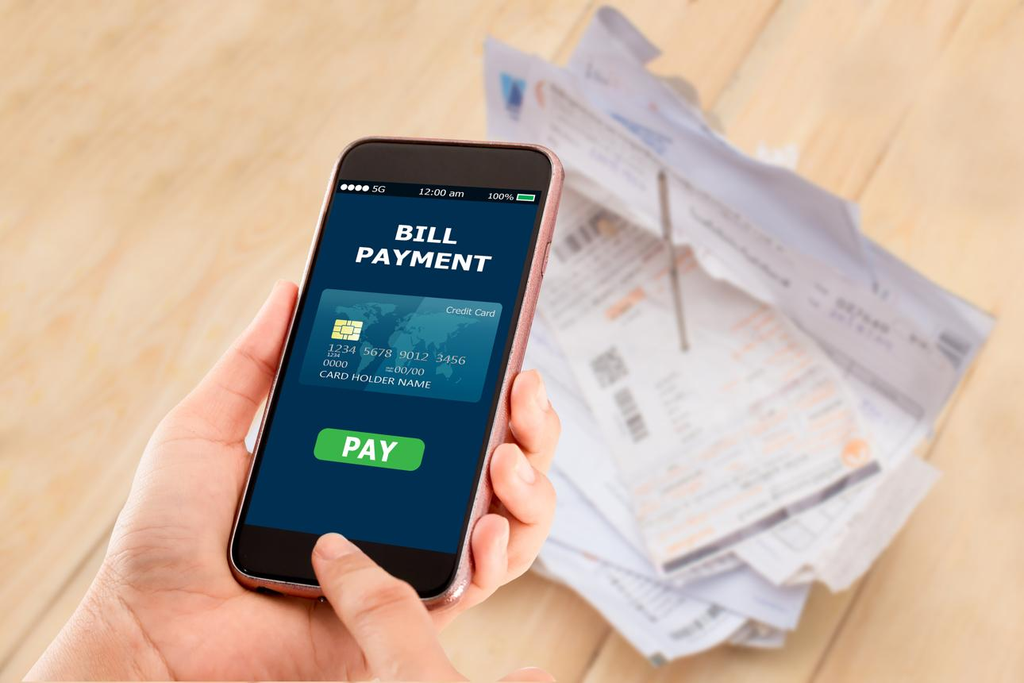
Understanding the Numbers on Your Statement
Before deciding how to pay, it helps to understand exactly what you’re looking at on a typical credit card statement.
Statement balance. This is the total amount you owed at the moment your billing cycle closed, including all purchases, fees, and interest from that cycle.
Current balance. This reflects your balance as of today, which may be higher than your statement balance if you’ve made additional purchases since the statement closed.
Minimum payment due. The smallest amount you’re required to pay by the due date to avoid a late fee and keep the account in good standing.
Payment due date. The deadline for making at least the minimum payment, typically about three weeks after your statement closes.
Confusing these figures, particularly assuming your “current balance” and “statement balance” are the same thing, is one of the most common sources of billing confusion.
The Difference Between Paying the Minimum and Paying in Full
Paying Only the Minimum
Paying only the minimum keeps your account current and avoids a late fee, but it’s generally the most expensive way to carry a balance. Since interest accrues daily on your remaining balance, paying only the minimum extends the time it takes to pay off the balance and significantly increases the total interest paid over time. Minimum payments are typically calculated as a small percentage of your balance or a flat amount, whichever is greater, which means the minimum shrinks as your balance shrinks, further extending the payoff timeline if you continue paying only that amount.
Paying the Full Statement Balance
Paying your full statement balance by the due date is generally the most cost-effective way to use a credit card, since most cards include a grace period that allows you to avoid interest entirely on new purchases when the previous statement balance is paid in full. This approach lets you use the card’s rewards program or purchasing convenience without paying anything extra in interest.
Paying More Than the Minimum, But Not in Full
If paying the full balance isn’t possible in a given month, paying as much above the minimum as you can afford still reduces the amount of interest that accrues compared to paying only the minimum. Even a modest additional amount can meaningfully shorten the payoff timeline and reduce total interest paid.
When Should You Actually Pay?
Paying by the Due Date
At minimum, payment should be made by the due date listed on your statement to avoid a late fee and prevent the payment from being reported as late to the credit bureaus, which typically happens once a payment is 30 or more days past due.
Paying Before the Statement Closes
Some cardholders choose to make a payment before their statement closing date, rather than waiting for the statement to generate and then paying by the due date. This strategy can lower the balance reported to the credit bureaus, since many issuers report your statement balance, not your current balance, to the bureaus each cycle. For those focused on optimizing their credit utilization ratio, particularly before applying for a mortgage or other major loan, this approach can be useful.
Paying Multiple Times Per Month
There’s no rule against making more than one payment during a billing cycle. Some people prefer to pay throughout the month as purchases are made, which can help avoid a large balance accumulating by the statement date and makes it easier to keep track of spending in real time.
How Payment Timing Affects Interest
Because most issuers calculate interest using a daily periodic rate applied to your outstanding balance, paying earlier in the billing cycle, rather than waiting until the due date, can reduce the total interest charged if you’re carrying a balance. This is because the interest calculation is based on your balance each day, so a lower balance earlier in the cycle results in less accumulated interest, even if the full amount is eventually paid by the same due date.
How to Set Up Payments
Manual Payments
Manually logging in and submitting a payment each cycle gives you full control over the amount and timing, which some people prefer for flexibility. The tradeoff is the risk of forgetting a payment if it’s not on a regular calendar reminder.
Autopay
Most issuers allow you to set up automatic payments, typically with options to pay the minimum due, the full statement balance, or a custom fixed amount each cycle. Setting autopay to at least the minimum payment can serve as a safety net against missed payments and late fees, even if you also plan to make additional manual payments toward the full balance.
Payment Methods
Common ways to pay a credit card include a linked bank account transfer through the issuer’s app or website, a one-time debit transaction, or occasionally a check by mail. Bank transfers are generally the most common and typically post within one to a few business days, so it’s worth accounting for processing time if you’re paying close to the due date.
What Happens If You Miss a Payment
Missing a payment typically results in a late fee, and if the payment remains unpaid for an extended period, generally 30 days or more past the due date, it can be reported to the credit bureaus, which can meaningfully affect your credit score. Some cards also apply a penalty APR, a significantly higher interest rate, following a missed payment, which can apply to your existing balance and sometimes new purchases as well, depending on the specific card’s terms.
If you realize you’ve missed a payment, paying as soon as possible, even before receiving a formal notice, can help limit the impact, particularly if you’re able to pay before the 30-day reporting threshold.
A Simple Payment Strategy Framework
For those looking for a straightforward approach to managing credit card payments, consider the following:
Set up autopay for at least the minimum payment, to protect against missed payments and late fees as a baseline safety net.
Aim to pay the full statement balance whenever possible, to take advantage of the grace period and avoid interest entirely.
If you can’t pay in full, pay as much above the minimum as your budget allows, to reduce the interest that accrues and shorten your payoff timeline.
Consider paying down your balance before the statement closes if you’re focused on optimizing your reported credit utilization, particularly ahead of a major loan application.
Track your due dates across multiple cards, if you carry more than one, using a calendar or your banking app’s reminder features, to avoid missing a payment on any single account.
Common Payment Mistakes to Avoid
Assuming “current balance” and “minimum payment” are related. Paying only the minimum doesn’t reduce your reported utilization nearly as much as paying down the full statement balance would.
Paying right at the deadline without accounting for processing time. Some payment methods take a day or more to post, so paying exactly on the due date can occasionally result in a late payment if there’s any delay.
Ignoring the grace period rules. If you carry a balance from a previous cycle, new purchases in the current cycle may start accruing interest immediately, since the grace period on new purchases typically only applies when the prior balance was paid in full.
Not accounting for multiple due dates across cards. If you carry several credit cards, it’s easy to lose track of which due date applies to which account, increasing the risk of an accidental missed payment.
Overpaying and creating a negative balance. Occasionally paying more than your full statement balance results in a credit balance on your account, which isn’t harmful, but it’s worth being aware that this simply reduces your next bill or can typically be refunded upon request, rather than earning any additional benefit.
Frequently Asked Questions
Is it better to pay my credit card weekly or once a month? Both approaches can work well. Paying once a month, in full, by the due date is sufficient to avoid interest and maintain good credit standing. Paying more frequently can help some people manage spending in real time and may modestly reduce reported utilization if timed before the statement closes, but it isn’t required to use a card responsibly.
Does paying my credit card early hurt my credit score? No. There’s no penalty for paying early, and doing so before your statement closes can actually help lower your reported utilization ratio for that cycle.
What happens if I pay more than my full statement balance? The extra amount typically creates a credit balance on your account, reducing what you owe in future cycles. Some issuers allow you to request a refund of a credit balance if you’d prefer not to leave it on the account.
Can I pay my credit card with another credit card? Generally, no. Most issuers don’t allow direct credit card-to-credit card payments, though some third-party services offer indirect ways to do this, often for a fee. This approach is generally not advisable given the added cost involved.
Will my payment post immediately? This depends on the payment method and issuer. Many electronic payments post within one business day, though some can take longer, particularly around weekends or holidays, so it’s worth paying a few days ahead of the due date when possible to avoid any processing delays.
Final Thoughts
Paying a credit card correctly isn’t just about avoiding a late fee, it’s about understanding how the timing and amount of your payment affects the interest you pay and how your account is reported to the credit bureaus. Paying your full statement balance by the due date, whenever your budget allows, remains the most reliable way to use a credit card without paying interest, while setting up at least a minimum-payment autopay provides a helpful safety net against missed payments. Small adjustments, like paying before your statement closes or paying more than the minimum when you can, can meaningfully improve both your finances and your credit profile over time.
This article is intended for general informational purposes only and does not constitute financial advice. Payment processing times, reporting practices, and fees vary by issuer and are subject to change. Always review the current terms directly from the credit card issuer, and consult a qualified financial professional for guidance specific to your situation