Every credit card issuer wants their product to stand out, so marketing materials are often filled with long lists of perks: cash back, travel insurance, purchase protection, extended warranties, airport lounge access, and more. For someone comparing options, it can be hard to tell which of these benefits genuinely add value and which are more about filling out a features page.
The truth is that a “good” credit card benefit depends entirely on how you use the card. A frequent traveler and someone who mostly shops online for household goods will value completely different perks. This guide breaks down the categories of credit card benefits that tend to matter most, explains how each one actually works, and offers a framework for deciding which perks are worth prioritizing based on your own financial habits.
Why Benefits Matter Beyond the Interest Rate
When people first start comparing credit cards, they often focus almost exclusively on the interest rate or annual fee. Those numbers matter, but for many cardholders, especially those who pay their balance in full each month, the built-in benefits of a card can provide more real-world value than a slightly lower APR.
Benefits can save you money directly (through cash back or discounts), protect you from financial loss (through fraud protection or purchase coverage), or make everyday spending more rewarding (through travel perks or statement credits). Because these benefits compound over years of card use, choosing a card with the right mix of perks for your lifestyle can be worth significantly more than chasing the single lowest interest rate on the market.
Rewards Programs: Cash Back, Points, and Miles
The most commonly advertised benefit is the rewards program, and it typically comes in one of three forms.
Cash Back
Cash back cards return a percentage of your spending directly to you, either as a statement credit, a direct deposit, or a check. These programs are popular because they’re simple to understand and flexible to use. Some cards offer a flat cash-back rate on every purchase, while others offer higher rates in rotating or fixed categories like groceries, gas, or dining.
When evaluating a cash-back card, consider:
Is the rate flat or category-based? Flat rates are easier to maximize without tracking; category-based cards can earn more but require some attention to which categories are active.
Is there a cap on how much you can earn in bonus categories before the rate drops back to a base level?
How is the cash back redeemed, and are there minimum thresholds before you can access it?
Points
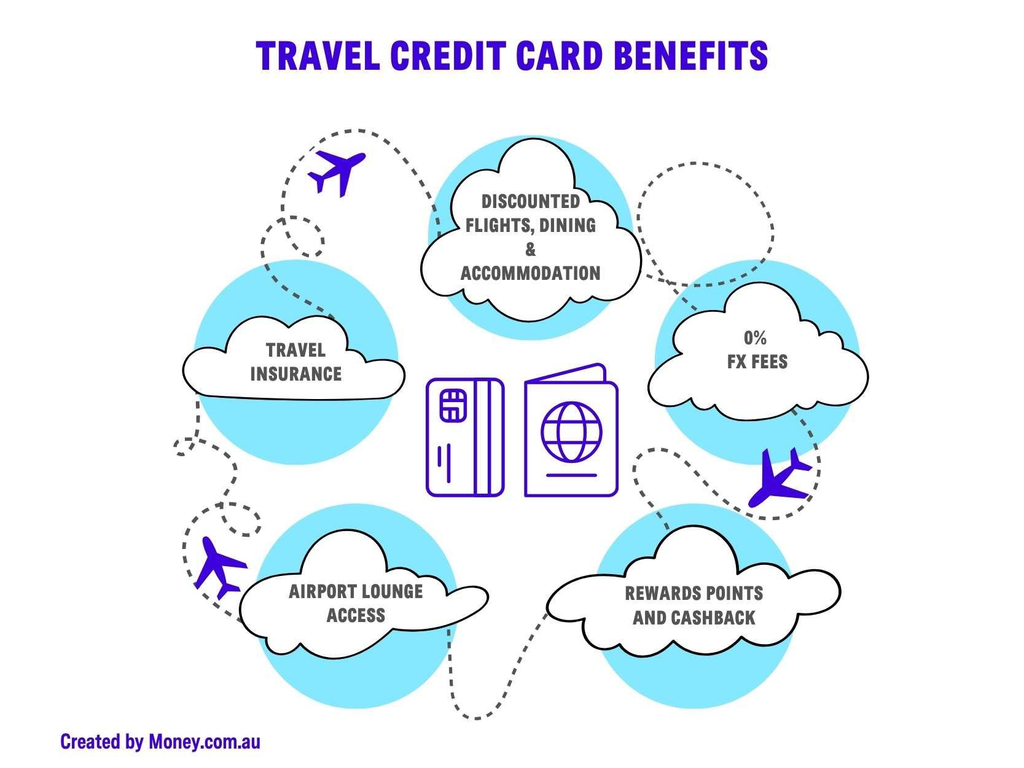
Points-based rewards programs let you accumulate points on purchases that can typically be redeemed for a variety of options, including travel, merchandise, gift cards, or statement credits. The value of a point can vary significantly depending on how you redeem it, so it’s worth researching the issuer’s redemption chart before assuming a certain dollar value.
Airline and Hotel Miles
Co-branded travel cards earn miles or points tied to a specific airline or hotel chain, while more flexible travel rewards cards let you transfer points to multiple travel partners. If you travel frequently and have loyalty to a specific airline or hotel brand, a co-branded card can offer outsized value through free flights, room upgrades, or waived fees. If your travel plans are less predictable, a flexible travel rewards card may serve you better.
Purchase Protections
Beyond rewards, many credit cards include protections that kick in automatically when you use the card for eligible purchases. These benefits are often underused simply because cardholders don’t know they exist.
Purchase Protection
This benefit typically covers newly purchased items against damage or theft for a limited period after the purchase date, often 90 to 120 days. If you buy an item and it’s stolen or accidentally damaged shortly afterward, this coverage may reimburse you or replace the item, subject to the card’s terms and coverage limits.
Extended Warranty Protection
Some cards automatically extend the manufacturer’s warranty on eligible purchases, often by an additional year. This can be particularly valuable for larger purchases like electronics or appliances, where a factory warranty typically expires after just one year.
Price Protection
A shrinking number of issuers still offer price protection, which reimburses you the difference if an item you purchased drops in price at a competitor within a certain window. This benefit has become less common in recent years, so it’s worth checking whether a specific card still offers it.
Return Protection
Return protection can reimburse you for items that a merchant won’t accept for return within a specified window after purchase, which can be a helpful safety net for gifts or items bought during limited-return sale periods.
Travel-Related Benefits
For frequent travelers, certain benefits can offset the cost of an annual fee many times over.
Travel Insurance
Many travel-oriented cards include some form of trip cancellation or interruption insurance, baggage delay or loss insurance, and rental car collision coverage. These benefits can save significant money compared to purchasing third-party travel insurance separately, though coverage limits and exclusions vary by issuer, so it’s worth reading the guide to benefits document for specifics.
No Foreign Transaction Fees
Many cards charge a foreign transaction fee, typically around 3%, on purchases made outside your home country or in a foreign currency. For anyone traveling internationally, choosing a card that waives this fee can add up to meaningful savings over a trip.
Airport Lounge Access
Some premium travel cards include complimentary access to airport lounges, either through a specific lounge network or a broader membership program. This benefit is most valuable for travelers who fly frequently and want a more comfortable place to wait during layovers or delays, though it’s typically bundled with cards that carry a higher annual fee.
TSA PreCheck or Global Entry Credit
Certain travel cards offer a statement credit that covers the application fee for TSA PreCheck or Global Entry, expedited security and customs programs. Since these application fees are typically valid for several years, this credit alone can offset a meaningful portion of an annual fee over time.
Security and Fraud Protection
Every major credit card includes some baseline fraud protection, but the strength and convenience of these features can vary.
Zero Liability Protection
Most major card networks offer zero-liability policies, meaning you generally won’t be held responsible for unauthorized charges made on your account, as long as you report them promptly. This is a standard feature across most cards today but is still worth confirming.
Real-Time Fraud Alerts
Many issuers now offer app-based or text alerts for unusual activity, allowing you to catch and report fraudulent charges quickly. The speed and customization of these alerts vary by issuer.
Virtual Card Numbers
Some issuers allow you to generate temporary virtual card numbers for online shopping, adding an extra layer of protection for your actual card number when shopping on unfamiliar websites.
Statement Credits and Bundled Perks
Increasingly, credit cards, especially those with higher annual fees, include recurring statement credits for specific services, such as streaming subscriptions, rideshare services, or food delivery platforms. These can offset a portion of the annual fee, but only if you already use the specific service the credit applies to. A statement credit for a service you’d never subscribe to on your own doesn’t add real value, regardless of how it’s advertised.
Introductory Offers vs. Long-Term Benefits
It’s worth distinguishing between promotional benefits that apply only for a limited time (like an introductory 0% APR period or a sign-up bonus) and benefits that apply for as long as you hold the card (like purchase protection or a permanent rewards rate). When comparing cards, weigh both: a strong sign-up bonus is nice, but the ongoing, everyday benefits are what you’ll experience for years after the introductory period ends.
How to Decide Which Benefits Matter Most to You
With so many potential perks, it helps to narrow your focus based on your actual lifestyle rather than trying to find a card that offers everything.
Review your last three months of spending. Look at your statements or banking app to see where your money actually goes, groceries, gas, dining, travel, subscriptions, and so on.
Match benefits to your top spending categories. If a large portion of your spending goes toward groceries, a card with strong grocery rewards will likely outperform a generic travel card for your situation.
Consider your travel frequency. If you travel several times a year, travel insurance, lounge access, and no foreign transaction fees can add substantial value. If you rarely travel, these perks may not be worth an added annual fee.
Think about what you already own. If you frequently buy electronics or appliances, extended warranty and purchase protection may be especially valuable.
Be honest about which perks you’ll actually use. A long list of benefits only adds value if you use them. A card with fewer but highly relevant perks is often better than one with many benefits that go untouched.
Common Mistakes When Evaluating Credit Card Benefits
Focusing only on the sign-up bonus. A large one-time bonus can overshadow weaker ongoing benefits. Consider what the card offers in year two and beyond, not just the first few months.
Ignoring the fine print on protections. Purchase protection, extended warranties, and travel insurance often come with coverage limits, exclusions, and claim deadlines. Understanding these details before you need to file a claim prevents surprises later.
Paying for perks you won’t use. A premium card with airport lounge access and elevated travel benefits isn’t worth the higher annual fee if you rarely fly. Match the card’s fee structure to benefits you’ll realistically use.
Overlooking foreign transaction fees. For occasional international purchases or online shopping from foreign retailers, this fee can add up unexpectedly if you’re not paying attention.
Frequently Asked Questions
Do all credit cards offer purchase protection? No. Purchase protection, extended warranty coverage, and similar benefits vary significantly by issuer and even by specific card within the same issuer’s lineup. Always check the card’s guide to benefits document for exact terms.
Are travel benefits worth an annual fee if I only travel once or twice a year? It depends on the trip. Even occasional travelers can benefit from trip cancellation insurance or rental car coverage if the potential savings from a single claim outweigh the annual fee. Calculate this based on your typical trip costs.
Is cash back better than points for most people? Cash back tends to be simpler and more predictable, since a dollar is always worth a dollar. Points and miles can offer higher value for those willing to research optimal redemptions, particularly for travel, but they require more effort to maximize.
Do credit card benefits change over time? Yes. Issuers periodically update their benefits, sometimes adding new perks and other times reducing or removing existing ones. It’s worth reviewing your card’s terms periodically, especially after receiving a notice of changes from your issuer.
Final Thoughts
The most valuable credit card benefits aren’t necessarily the ones with the flashiest marketing, they’re the ones that align with how you actually spend and live. Before choosing a card based on its list of perks, take a step back and think honestly about your spending habits, travel frequency, and the kinds of purchases you make most often. A card with fewer, highly relevant benefits will almost always outperform one with a long list of perks that go unused.
Taking the time to match benefits to your lifestyle, rather than chasing the card with the most features on paper, is the most reliable way to get real, ongoing value out of whichever card you choose.
This article is intended for general informational purposes only and does not constitute financial advice. Card benefits, terms, and coverage details vary by issuer and are subject to change. Always review the current terms and guide to benefits directly from the credit card issuer before applying or relying on a specific benefit.