Credit card marketing tends to focus heavily on rewards and perks, but fees are just as important — sometimes more so — in determining whether a card actually saves or costs you money over time. Some fees are avoidable entirely with the right habits, while others are structural costs baked into how a specific card works. Knowing the difference, and knowing which fees to scrutinize most closely before applying, can save you real money over the life of an account.
This guide compares the major categories of credit card fees side by side, explains which ones matter most depending on how you use a card, and highlights the specific details worth checking before you sign up for anything.
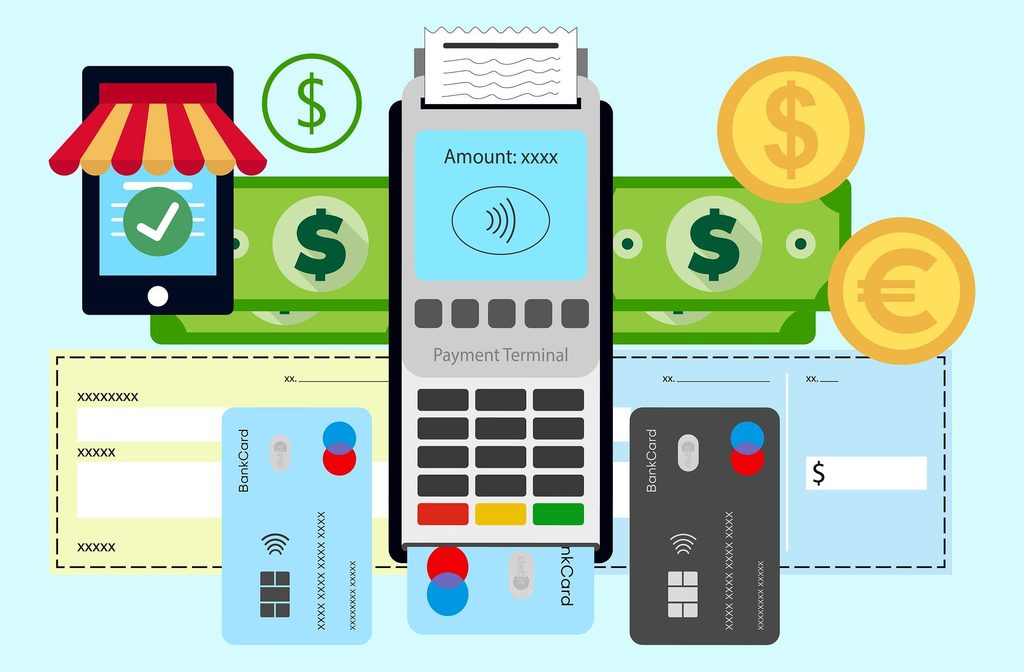
Comparing the Major Categories of Credit Card Fees
| Fee Type | Avoidable? | Typical Trigger | Impact if Ignored |
|---|---|---|---|
| Annual fee | Sometimes (card choice dependent) | Simply holding the card | Recurring, fixed cost regardless of use |
| Interest charges | Yes, with full payment | Carrying a balance past the due date | Can compound and grow substantially |
| Late payment fee | Yes | Missing a payment deadline | One-time fee, plus potential penalty APR |
| Foreign transaction fee | Yes, with the right card | Purchases made abroad or in foreign currency | Adds a percentage to every international purchase |
| Cash advance fee | Yes | Withdrawing cash against the card | High fee plus immediate interest accrual |
| Balance transfer fee | Sometimes | Transferring a balance from another card | Percentage of the transferred amount |
| Over-limit fee | Mostly obsolete/regulated | Exceeding your credit limit | Varies significantly by jurisdiction and issuer |
| Returned payment fee | Yes | A payment that fails to process | One-time fee, plus possible late payment consequences |
This table highlights an important pattern: most of the fees with the biggest potential financial impact are also the most avoidable, provided you understand exactly what triggers them.
Annual Fees: What to Actually Compare
An annual fee itself isn’t inherently good or bad — what matters is whether the value you receive from the card, in rewards and included perks, clearly exceeds that cost. When comparing annual fees across cards, look beyond the raw number and check whether any portion of the fee is offset automatically, such as through an included credit that functions almost like a partial rebate.
It’s also worth checking whether the fee is charged upfront at account opening and annually thereafter, or waived entirely for the first year, since this affects your actual first-year cost regardless of the card’s advertised ongoing fee.
Interest Charges: The Fee That Matters Most for Balance Carriers
For cardholders who don’t pay their statement balance in full every month, interest charges typically represent by far the largest potential cost of any credit card fee category, often dwarfing every other fee combined. Comparing interest rates across cards matters significantly more than comparing rewards programs for anyone who anticipates carrying a balance, even occasionally.
When comparing interest rates, check whether the card offers a range based on creditworthiness rather than a single fixed rate, since your actual approved rate may land anywhere within that range depending on your credit profile at the time of application.
Late Payment Fees: Comparing the True Cost Beyond the Fee Itself
A late payment fee itself is often a fixed, one-time charge, but the more significant cost frequently comes from secondary consequences: a potential increase to a penalty APR, a negative mark on your credit report if the payment is significantly overdue, and the loss of any promotional 0% APR period the account might have been under. When comparing cards, checking whether a specific issuer offers a grace period or a first-time fee waiver for an isolated late payment can meaningfully reduce the practical impact of an occasional mistake.
Foreign Transaction Fees: A Fee That’s Increasingly Avoidable
Many cards, particularly those marketed around travel, now waive foreign transaction fees entirely, while many standard cash back or general-purpose cards still charge a percentage, commonly in the range of 1% to 3%, on purchases made abroad or in a foreign currency. If you travel internationally, even occasionally, comparing this specific fee across your card options is worth prioritizing, since it applies to every single foreign purchase rather than being a one-time or conditional cost.
Cash Advance Fees: Comparing an Often-Overlooked High Cost
Cash advances are one of the most expensive ways to access funds through a credit card, typically involving both an upfront fee, often a percentage of the amount withdrawn, and interest that begins accruing immediately, without the grace period that applies to standard purchases. When comparing cards, this fee rarely differentiates one card as meaningfully “better” than another, since virtually all cards discourage cash advances similarly — the real comparison point is simply confirming you understand the cost well enough to avoid this option except in a genuine emergency.
Balance Transfer Fees: Weighing the Fee Against the Interest Savings
Balance transfer cards typically charge a fee, often a percentage of the amount transferred, in exchange for access to a promotional low or 0% interest rate for a set period. When comparing balance transfer offers, calculate whether the interest you’d save during the promotional period clearly exceeds the transfer fee itself, since a very short promotional period combined with a meaningful transfer fee can sometimes offer less net savings than expected.
Comparing Fee Transparency Across Issuers
Beyond the specific fee amounts, it’s worth comparing how clearly each issuer discloses their full fee schedule. Some issuers provide a single, consolidated fee schedule document that’s easy to review in full, while others scatter fee details across multiple sections of their terms and conditions. A card with a slightly higher specific fee but much clearer overall disclosure can be easier to manage responsibly than a card with technically lower fees buried in dense, hard-to-navigate terms.
Understanding How Fees Interact With Each Other
Fees rarely occur in isolation, and understanding how they can compound is part of a genuinely thorough comparison. A missed payment, for example, can trigger both a late fee and a penalty APR increase, which then compounds with any existing balance to generate significantly more interest than usual, potentially for an extended period even after the missed payment itself is resolved. Similarly, a cash advance combines an upfront fee with immediate interest accrual at a rate that’s sometimes higher than the card’s standard purchase APR, meaning the true cost of a cash advance is almost always higher than either the fee or the interest rate would suggest in isolation. Recognizing these compounding effects helps explain why avoiding the underlying triggering behavior, rather than simply comparing the listed fee amounts, is usually the more effective strategy for managing overall card costs.
How to Prioritize Which Fees Matter Most for Your Situation
If You Always Pay Your Balance in Full
Interest charges become largely irrelevant to you, meaning your comparison should prioritize the annual fee, foreign transaction fees if you travel, and general fee transparency, since these are the categories most likely to actually affect your costs.
If You Sometimes Carry a Balance
Interest rate comparison should become your top priority, potentially outweighing rewards programs or even annual fees, since interest charges can easily exceed any value gained elsewhere if a balance goes unpaid for an extended period.
If You Travel Internationally
Foreign transaction fees deserve close attention, since this cost applies to every international purchase rather than being a one-time or conditional fee, making even a small percentage difference meaningful over a trip involving significant spending.
If You’re Consolidating Existing Debt
Balance transfer fees and the length of any promotional interest period should be your primary comparison points, calculated together rather than in isolation, to determine genuine net savings compared to your current debt’s interest costs.
Common Mistakes When Comparing Credit Card Fees
Focusing only on the annual fee while ignoring interest rates. For anyone who might carry a balance, even occasionally, the interest rate typically matters more than the annual fee in determining overall cost.
Assuming all travel-oriented cards waive foreign transaction fees. While common among cards specifically marketed for travel, this isn’t universal, so it’s worth confirming directly rather than assuming based on a card’s general travel branding.
Overlooking secondary consequences of a late payment beyond the flat fee. A penalty APR or lost promotional rate can cost significantly more over time than the late fee itself, making on-time payment discipline more valuable than the specific late fee amount might suggest.
Not calculating whether a balance transfer fee is actually offset by interest savings. A percentage-based transfer fee needs to be weighed against the specific promotional period length and your existing balance’s interest rate to determine genuine net benefit.
Assuming a card with no listed annual fee has no costs worth comparing. No-fee cards can still carry meaningfully different interest rates, foreign transaction fees, or other charges that matter significantly depending on how you use the card.
Frequently Asked Questions
Is it possible to have a fee waived after the fact if I’m normally a responsible cardholder? Many issuers will consider waiving a specific fee, particularly a late payment fee, as a one-time courtesy for cardholders with an otherwise strong payment history, though this isn’t guaranteed and depends on the issuer’s specific policy and your account history.
Do all cards charge the same late payment fee? No. Late payment fees can vary by issuer and sometimes escalate for repeated late payments within a short period, so comparing this specific fee, along with any stated grace period, is worthwhile if you’re concerned about occasional payment timing issues.
Should I avoid all cards with an annual fee? Not necessarily. An annual fee is only a downside if the value you receive from the card doesn’t clearly exceed it. Some cards with an annual fee deliver significantly more net value through rewards and included perks than a comparable no-fee alternative, depending on your specific spending and usage patterns.
Are foreign transaction fees charged on every international purchase, or just certain ones? Generally, they apply to any purchase processed in a foreign currency or through a foreign merchant, regardless of the purchase amount, which is why this fee can add up meaningfully over the course of an international trip involving many smaller transactions, sometimes surprising cardholders who only expected it to apply to larger purchases like hotel bookings.
What’s the single most important fee to compare if I’m choosing between two similar cards? It depends on your usage pattern, but for most people, the interest rate deserves the closest attention if there’s any realistic chance of carrying a balance, since it typically represents the largest potential cost by a wide margin compared to other fee categories, often outweighing every other fee on this list combined over the course of a year.
Final Thoughts
Comparing credit card fees side by side, rather than focusing narrowly on the annual fee or ignoring fees altogether in favor of rewards, gives a much clearer picture of what a card will actually cost you based on how you plan to use it. Interest charges typically represent the largest risk for anyone who might carry a balance, while foreign transaction fees, balance transfer fees, and late payment consequences each matter more or less depending on your specific habits. Taking the time to compare these fee categories against your own realistic usage pattern, rather than assuming a card’s rewards program tells the whole story, is an essential part of choosing a card that genuinely serves your finances well over the long run, not just in how it looks on the application page.
This article is for informational purposes only and does not constitute financial advice. Always review the specific terms, fees, and interest rates of any credit card directly with the issuer before applying.